
Art in perspective
This blog on appreciating art is inspired by Dr. Anunaya Chaubey's talk at the Indian School of Business, Hyderabad.
By: Vardhan Kale
12/6/20242 min read
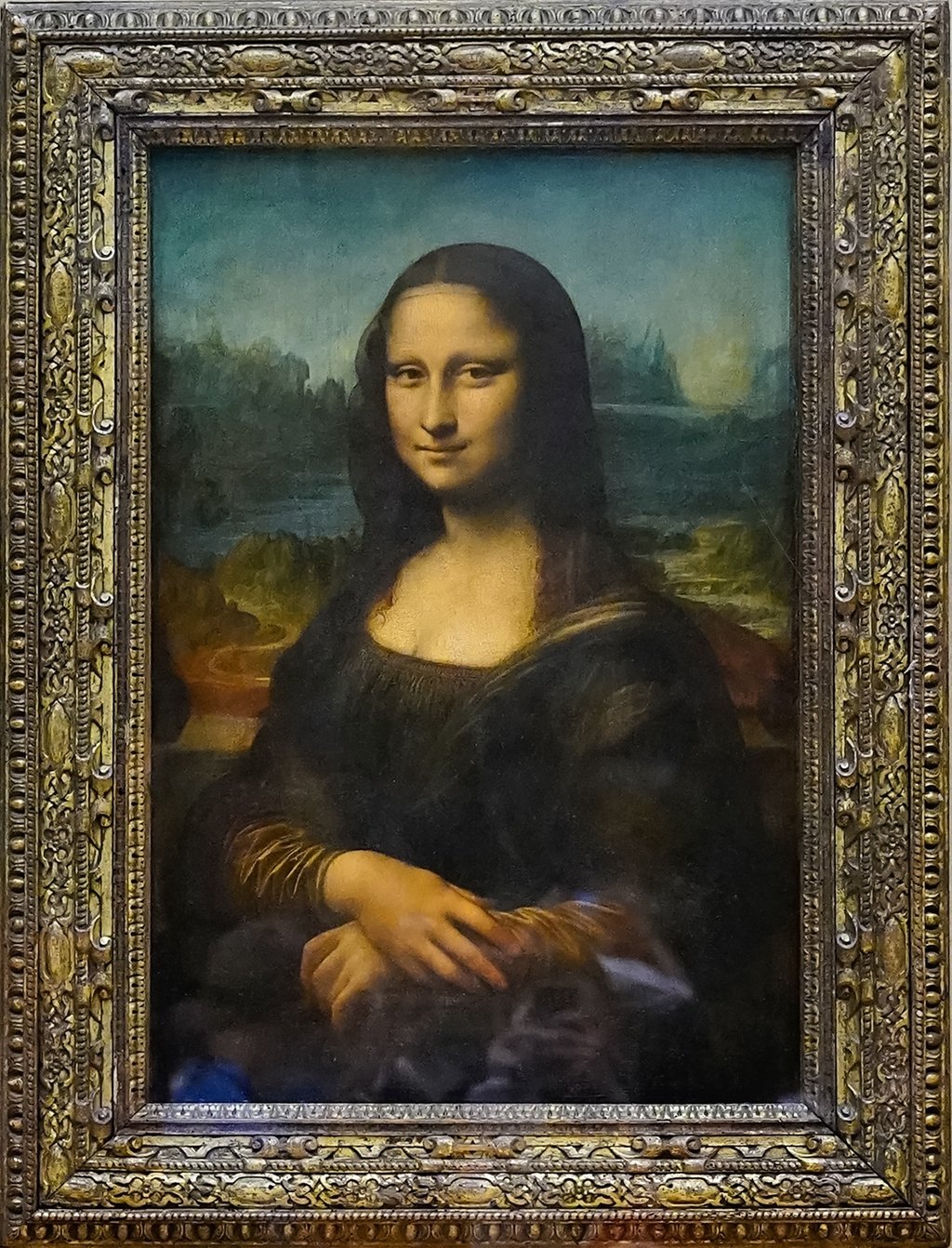
"The noblest pleasure is the joy of understanding." Leonardo Da Vinci
Leonardo da Vinci's work was inherently multidisciplinary, blending art, science, mathematics, anatomy, and engineering. He collaborated with mathematician Luca Pacioli on Divina Proportione, a three-book exploration of the Golden Ratio, where he illustrated and explained mathematical concepts.
In partnership with anatomist Marc Antonio Dalla Torre, he advanced the study of human anatomy, influencing modern medical texts. Leonardo believed true knowledge comes from empirical observation, not from books alone. He viewed art as a science and sought to bridge the gap between the two disciplines. So far, thirteen Nobel prizes have been given to researchers for their multidisciplinary work.
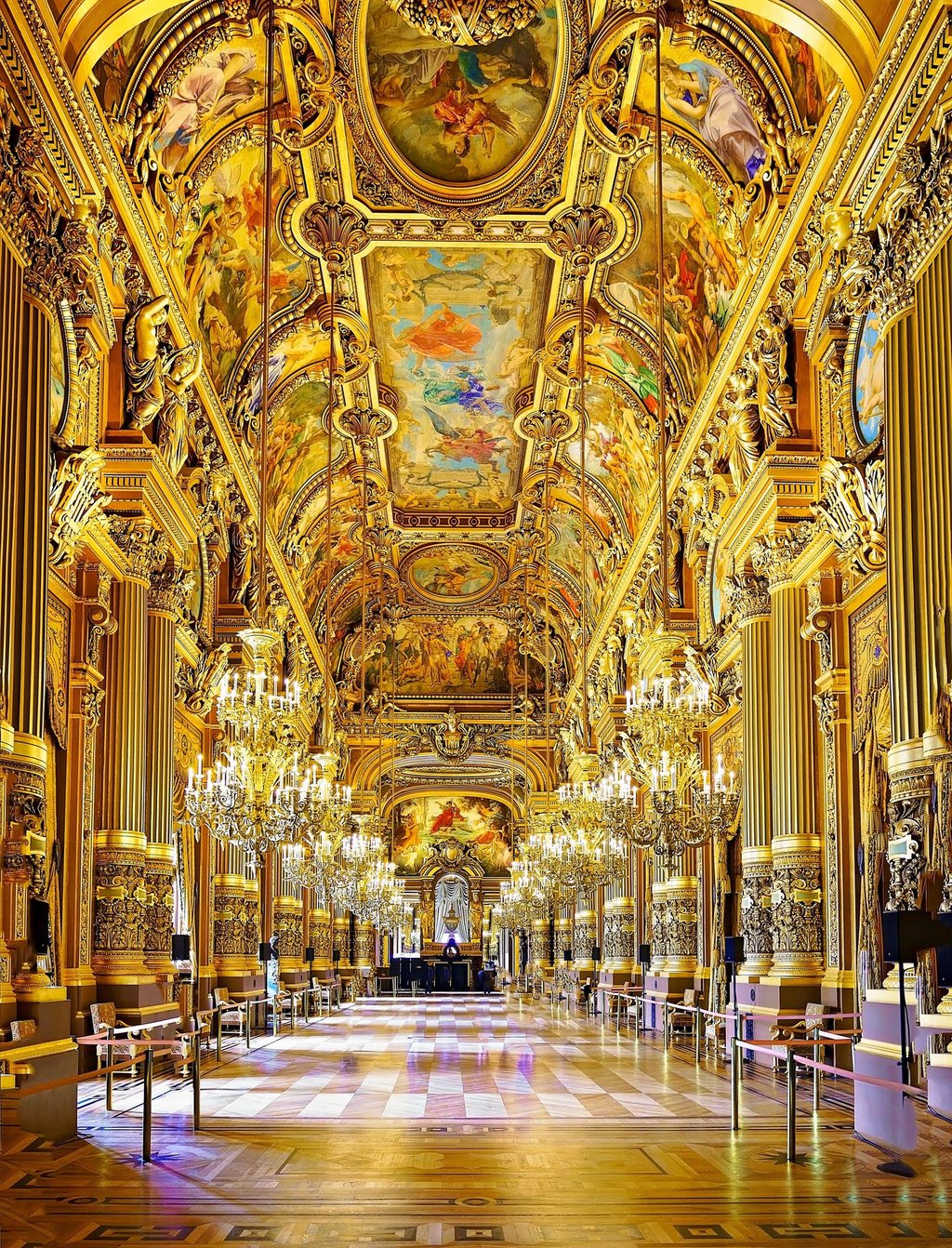
Some art is retinal, focusing on visual appeal, aesthetics, and surface-level beauty. The Palais Garnier in Paris is a good example of a visual grandeur. It was built between 1861 and 1875 and is considered one of the most beautiful examples of Opéra Beaux-Arts architecture.
"The Raft of the Medusa" (1818-1819), by Theodore Gericault, shown in the image below, is an example of emotive and visceral painting, depicting the horror of a real-life event (the 1816 Medusa shipwreak) with vivid, disturbing details.


"A Cobbler’s Workshop. Oil painting (1881–82).
Alte Nationalgalerie (Old National Gallery) in Berlin
Source: Max Libermann, Schusterwerkstatt
Light pours through the window and visibly flows around figures and objects alike, showcasing Liebermann’s incipient moves towards impressionist principles. Impressionism (1870–1900) focused on capturing light and colour, emphasizing everyday life, modernity, and urbanity. It was also interested in movement and immediacy.
'Movement' was characterised by short, broken brushstrokes and capturing dynamic gestures and life in motion. Painters used soft brushstrokes and blurred edges to convey movement.
'Immediacy' implies that the artist painted outdoor observations directly instead of painting in a studio setup to capture fleeting moments and light effects. This was done by applying layers on paint without waiting for the previous layer to dry.(Wet On Wet)